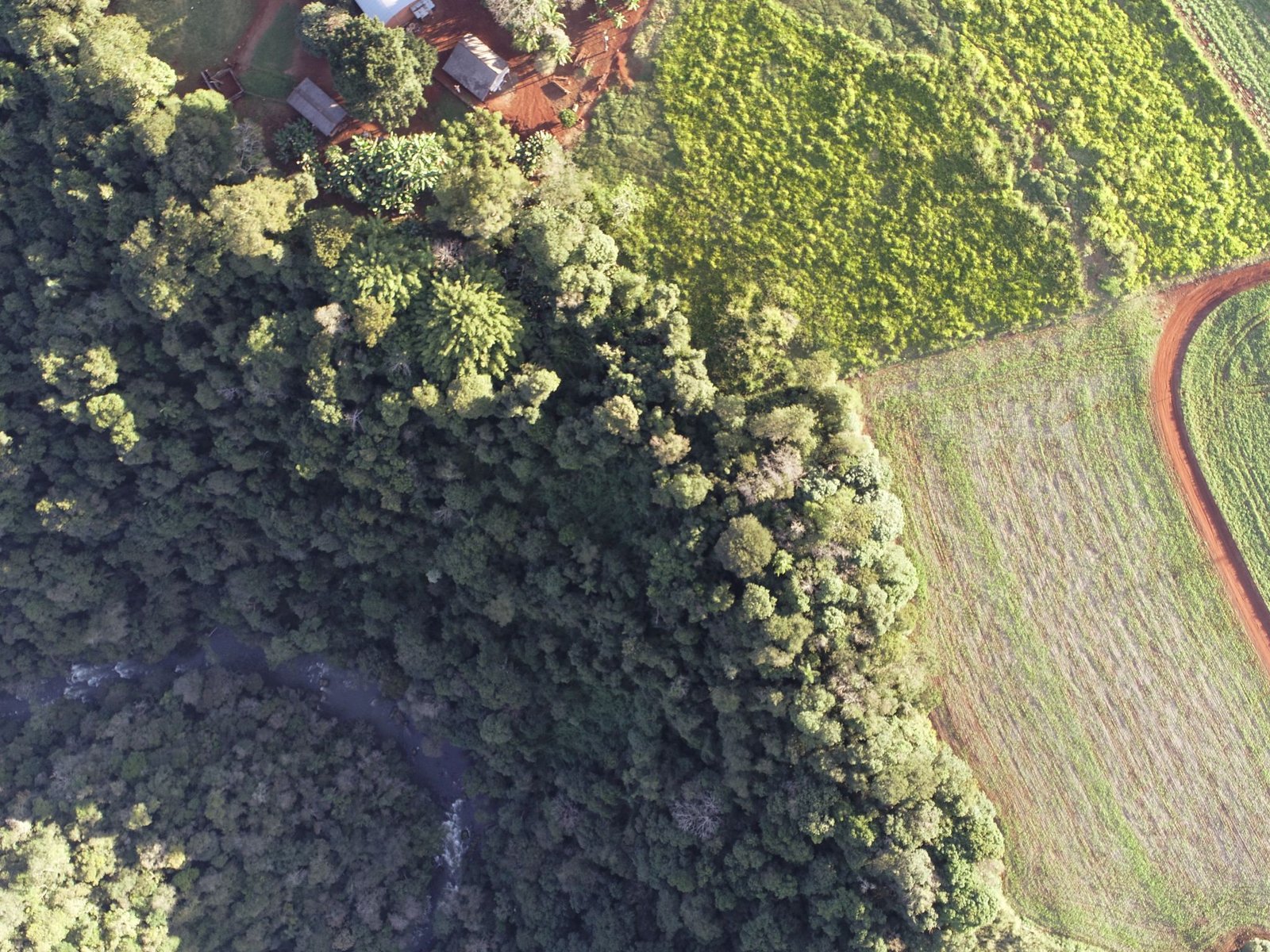
Planting trees indiscriminately is not always the best solution. To truly restore degraded environments, we must look beyond simple afforestation and consider biodiversity, ecosystem resilience, and functional species groups.
🌱 Key factors for effective restoration:
✔ 𝗣𝗿𝗶𝗼𝗿𝗶𝘁𝗶𝘇𝗶𝗻𝗴 𝗵𝗶𝗴𝗵-𝗶𝗺𝗽𝗮𝗰𝘁 𝗿𝗲𝘀𝘁𝗼𝗿𝗮𝘁𝗶𝗼𝗻 𝘀𝗶𝘁𝗲𝘀 – choosing locations that enhance connectivity and ecological benefits.
✔ 𝗦𝗲𝗹𝗲𝗰𝘁𝗶𝗻𝗴 𝗻𝗮𝘁𝗶𝘃𝗲 𝗮𝗻𝗱 𝗳𝘂𝗻𝗰𝘁𝗶𝗼𝗻𝗮𝗹 𝘀𝗽𝗲𝗰𝗶𝗲𝘀 – instead of planting monocultures, which fail to support local fauna and flora.
✔ 𝗠𝗶𝗻𝗶𝗺𝗶𝘇𝗶𝗻𝗴 𝗻𝗲𝗴𝗮𝘁𝗶𝘃𝗲 𝗶𝗺𝗽𝗮𝗰𝘁𝘀 – avoiding invasive species, hydrological imbalances, and ecological simplification.
❌ 𝗠𝗶𝘀𝗴𝘂𝗶𝗱𝗲𝗱 𝗳𝗼𝗿𝗲𝘀𝘁𝗿𝘆 𝗽𝗿𝗼𝗷𝗲𝗰𝘁𝘀 𝗰𝗮𝗻 𝗱𝗼 𝗺𝗼𝗿𝗲 𝗵𝗮𝗿𝗺 𝘁𝗵𝗮𝗻 𝗴𝗼𝗼𝗱. Afforestation in grasslands, wetlands, or natural open ecosystems can disrupt biodiversity, reduce water availability, and alter ecosystem dynamics.
📌 𝗥𝗲𝘀𝗲𝗮𝗿𝗰𝗵 𝗵𝗶𝗴𝗵𝗹𝗶𝗴𝗵𝘁𝘀 𝘁𝗵𝗲𝘀𝗲 𝗰𝗼𝗻𝗰𝗲𝗿𝗻𝘀:
🔬 𝗠𝗼𝗻𝗼𝗰𝘂𝗹𝘁𝘂𝗿𝗲 𝗽𝗹𝗮𝗻𝘁𝗮𝘁𝗶𝗼𝗻𝘀 𝗰𝗮𝗻 𝗿𝗲𝗱𝘂𝗰𝗲 𝗯𝗶𝗼𝗱𝗶𝘃𝗲𝗿𝘀𝗶𝘁𝘆 𝗮𝗻𝗱 𝗲𝗰𝗼𝗹𝗼𝗴𝗶𝗰𝗮𝗹 𝗿𝗲𝘀𝗶𝗹𝗶𝗲𝗻𝗰𝗲 (Chazdon et al., 2020 – https://lnkd.in/e_dig3PT).
🔬 𝗡𝗼𝗻-𝗻𝗮𝘁𝗶𝘃𝗲 𝘁𝗿𝗲𝗲𝘀 𝗺𝗮𝘆 𝗵𝗮𝗿𝗺 𝗹𝗼𝗰𝗮𝗹 𝘄𝗶𝗹𝗱𝗹𝗶𝗳𝗲 𝗮𝗻𝗱 𝗳𝗼𝗼𝗱 𝗰𝗵𝗮𝗶𝗻𝘀 (Hua et al., 2022 – https://lnkd.in/eB-GxqDx).
🌿 Restoring forests is not just about planting trees! Conservation must be the foundation of any ecological restoration initiative.
🔎 𝗕𝗲𝗳𝗼𝗿𝗲 𝘀𝘂𝗽𝗽𝗼𝗿𝘁𝗶𝗻𝗴 𝗮𝗻𝗱 𝗳𝘂𝗻𝗱𝗶𝗻𝗴 𝗮 𝗿𝗲𝗳𝗼𝗿𝗲𝘀𝘁𝗮𝘁𝗶𝗼𝗻 𝗽𝗿𝗼𝗷𝗲𝗰𝘁, 𝗮𝘀𝗸 𝘁𝗵𝗲𝘀𝗲 𝗾𝘂𝗲𝘀𝘁𝗶𝗼𝗻𝘀:
✅ 𝗗𝗼𝗲𝘀 𝗶𝘁 𝗽𝗿𝗶𝗼𝗿𝗶𝘁𝗶𝘇𝗲 𝗹𝗼𝗰𝗮𝗹 𝘀𝗽𝗲𝗰𝗶𝗲𝘀 𝗮𝗻𝗱 𝗯𝗶𝗼𝗱𝗶𝘃𝗲𝗿𝘀𝗶𝘁𝘆?
✅ 𝗗𝗼𝗲𝘀 𝗶𝘁 𝗵𝗲𝗹𝗽 𝗿𝗲𝘀𝘁𝗼𝗿𝗲 𝗲𝗰𝗼𝘀𝘆𝘀𝘁𝗲𝗺 𝗳𝘂𝗻𝗰𝘁𝗶𝗼𝗻𝘀?
✅ 𝗜𝘀 𝘁𝗵𝗲𝗿𝗲 𝗮 𝗺𝗼𝗻𝗶𝘁𝗼𝗿𝗶𝗻𝗴 𝗽𝗹𝗮𝗻 𝘁𝗼 𝗺𝗶𝗻𝗶𝗺𝗶𝘇𝗲 𝗻𝗲𝗴𝗮𝘁𝗶𝘃𝗲 𝗶𝗺𝗽𝗮𝗰𝘁𝘀?
💬 Let’s discuss! How can we ensure reforestation efforts truly benefit biodiversity and ecosystem health? Share your thoughts in the comments!
hashtag#Sustainability hashtag#Biodiversity hashtag#CarbonCredits hashtag#Reforestation hashtag#ESG hashtag#EcologicalRestoration hashtag#Carbon hashtag#ARR hashtag#Aforestation hashtag#Revegetation