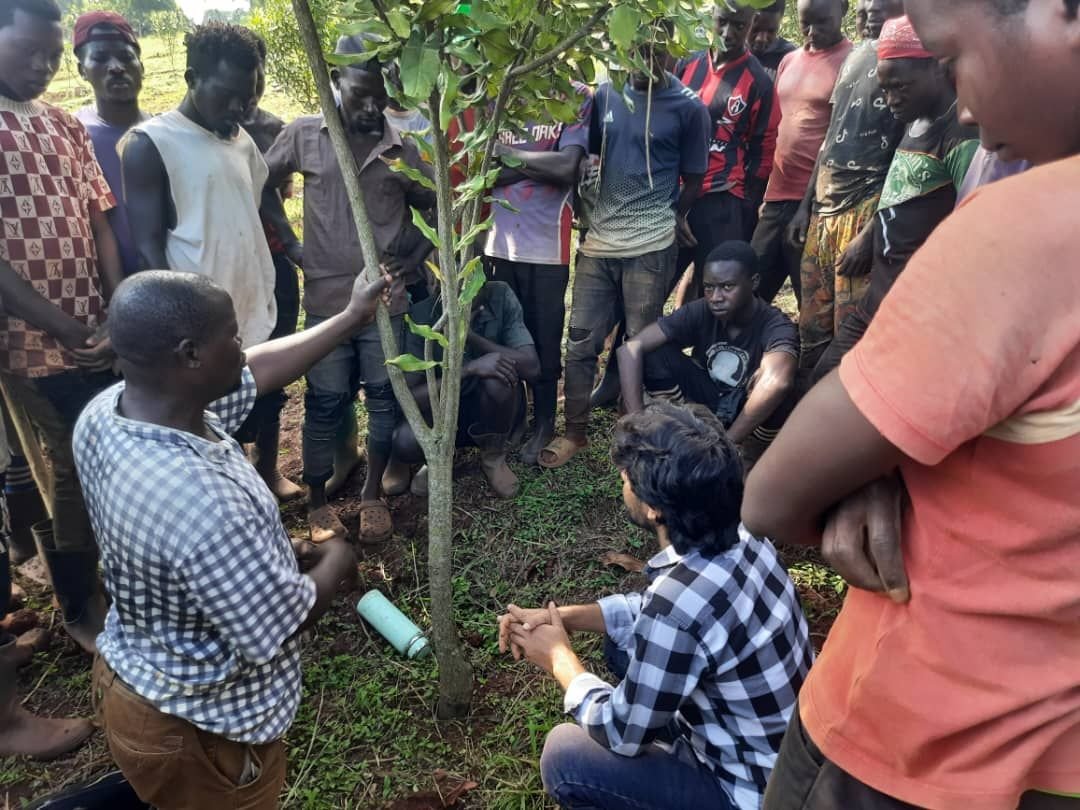
The carbon market is booming, but who is really benefiting? While large landowners easily access financing for carbon projects, smallholder farmers and traditional communities are left out—even though they are in a constant biodiversity conflict. 🚜🌱
One of the biggest barriers? Small farmers don’t have enough conserved areas for a REDD+ project, lack the scale for ARR (Afforestation and Reforestation), and don’t meet the requirements for ALM (Agricultural Land Management) projects. On top of that, these projects demand a 40-year land commitment—an impossible trade-off for small farmers whose land is their only asset and their children’s inheritance. Meanwhile, wealthy landowners with financial security are the ones cashing in on carbon credits.
💰 But let’s be clear: carbon finance must not come at the cost of human dignity. If we truly want to make this market fair, we need to do it right—respecting human rights, labor rights, social benefits, land ownership, and cultural diversity. We must reject dirty carbon projects that flood the market with cheap credits built on the sweat and suffering of workers barely earning enough to eat. This isn’t just about counting carbon—it’s about ensuring integrity in how these projects impact people. 🌎⚖️
We in this market need to think less about the millions of dollars circulating in carbon finance and more about justice and sustainability. It’s time to rethink: Is this really fair?
🔹 What do you think? Should carbon finance prioritize small farmers over big landowners? Drop your thoughts in the comments! 👇
hashtag#CarbonMarket hashtag#ClimateJustice hashtag#BiodiversityCredits hashtag#SustainableFinance hashtag#SmallFarmers hashtag#NatureBasedSolutions hashtag#EthicalCarbon hashtag#FairCarbonFinance hashtag#JustTransition
photo credits: Liaquat Hussain, Uganda.